The peoples of Morocco...

Berbers, Arabs & Jews in Morocco

Berbers, Arabs & Jews

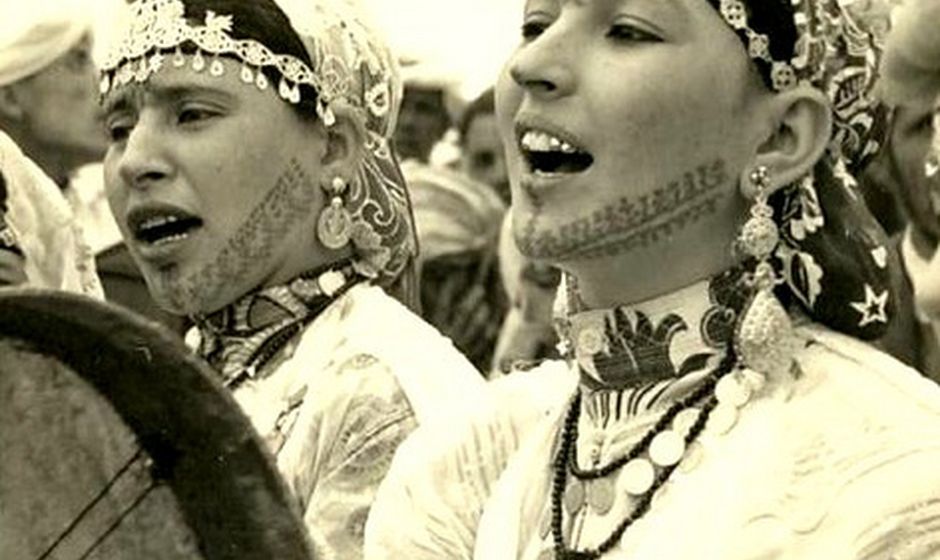
Morocco's population is composed of two major ethnic groups: the indigenous Amazighen (Berbers) and the Arabs, who arrived in the 8th century bringing Islam with them. There has been so much intermarriage between Amazighen and Arabs since then that distinctions are largely meaningless.

Prior to the mass exodus of Jews between 1948 and 1967, Morocco also had a population of over 250,000 Jews. Fewer than 5,000 now remain. Evidence of Jewish culture can still be seen in the older towns, especially in the mellah (Jewish quarter). 

Arabic script

Languages

A multitude of Languages are used in Morocco, the native languages of Moroccans are Moroccan Arabic (known as Darija) and Amazigh Languages. The official Languages are Classical Arabic and the Amazigh Language.

Amazigh Language exists in Morocco in three different -yet related- languages: Riff, Shilha, and Central Atlas. In Morocco, there are 15 to 18 million Berber speakers, about 50 to 65% of the population. Tachelhit in the High Atlas, the Anti-Atlas and Souss, the Tamazight in the Middle Atlas and rates in the region of Rif. Many Berbers were also established in major cities.

French, which remains Morocco's unofficial second language, is taught universally and serves as Morocco's primary language of commerce and economics; it is also widely used in education and government. Morocco is a member of the Francophonie.

Spanish, is also spoken by some Moroccans, especially in the northern regions. English, is spoken sporadically in the business, science and education sectors. Its usage and learning has grown over the last decade, since the introduction of an education reform in 2002, which established the teaching English since the 7th grade in public schools.

Living in Morocco

Living in Morocco

You’ve been on holiday and fallen in love with the country. Now you want to buy a house there. What are the ups and downs?

Western second home hunters have flocked to Morocco in recent years. The attractions are obvious: a pleasant climate, easy connections to Europe and the chance to live an exotic lifestyle. Activity has been highest in Marrakech, but there are also burgeoning expatriate communities in Fez, Essaouira and Tangier.

Second homes usually fall in one of two categories: a traditional riad in the medina, which can be renovated and operated as a maison d’hôtes, or a modern apartment or villa. Gated enclaves, complete with pools and golf courses, have sprung up on the Mediterranean coast, around El Jadida and in the wider Marrakech area.


There are financial benefits to buying a house in Morocco. The country is keen to attract foreign residents and offers favourable tax breaks. Labour – for renovation or staffing – is a fraction of the price it is in Europe. The economy and political situation are stable, with few of the problems that have dogged other north African countries.

On the downside, a seven-year real estate boom means that property is no longer the bargain it used to be. In addition, there is now a glut of riads offering tourist accommodation: in Marrakech alone, over 650 establishments vie for business.


If you are thinking of buying property in Morocco the best advice is: don’t rush into it. Hire a good lawyer (Moroccan property transactions are full of pitfalls for the unwary). Decide what will happen to the property when you are not in it. Read as much information as you can online and in printed form. Here at Lawrence of Morocco we have many years’ experience buying, building and renovating properties in Morocco. We are happy to provide a consultancy service should you need it.  See our property section for more